Sci-Fi About Surveillance: 10 Stories About Being Watched, Scored and Recorded
The best films, novels and series in our archive about surveillance, social scoring and the end of privacy, ranked, with what each one got right about who ended up watching.
The best sci-fi about surveillance we've reviewed is The Truman Show, Peter Weir's 1998 film about a man whose whole life is broadcast without his knowledge. Black Mirror's "The Entire History of You" comes next, then Severance, which turns workplace monitoring into a brain implant.
This list ranks ten films, novels and series about being watched, scored and recorded, by our review score. It covers three kinds of story. Some are about cameras and records: who holds the footage and who gets to replay it. Some are about scores, the numbers that decide whether you get a flat, a car or a job. And some are about the slow trade of privacy for convenience.
Our prediction ledgers show a striking pattern across all ten. The watching nearly always arrived, often early. What the writers got wrong was who would do it. They imagined a secret agency, a single corporation or a captor. In practice much of the watching was spread across companies, apps and private cameras, and a lot of it was switched on by the people being watched. Several reviews make the same point in different words: nobody had to steal our privacy, because we traded it, one free service at a time.
For machines that think as well as watch, see sci-fi about AI. For the episodes that predicted it best, see the Black Mirror episodes that came true.
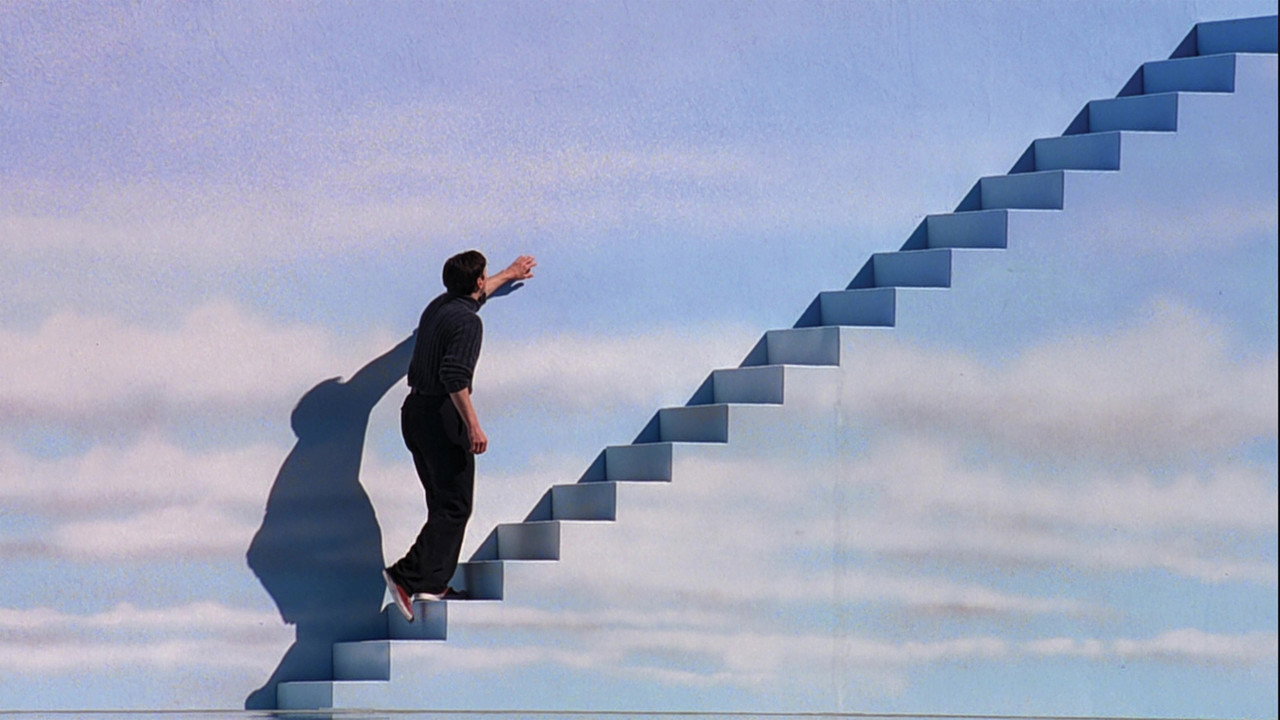
Truman Burbank has been filmed round the clock since birth, and everyone in his town is an actor. In 2007 a 23-year-old streamed his whole life from a webcam on his cap. In 2023 a hit comedy put one real man on a fake jury surrounded by actors. That same year the US Federal Trade Commission alleged that Ring had let staff and contractors watch customers' private videos. The neighbourhood has become the set. The film's one big miss is its most revealing: it imagined a man captured by a corporation. We volunteered, and the audience was never the prisoner. It was the warden.
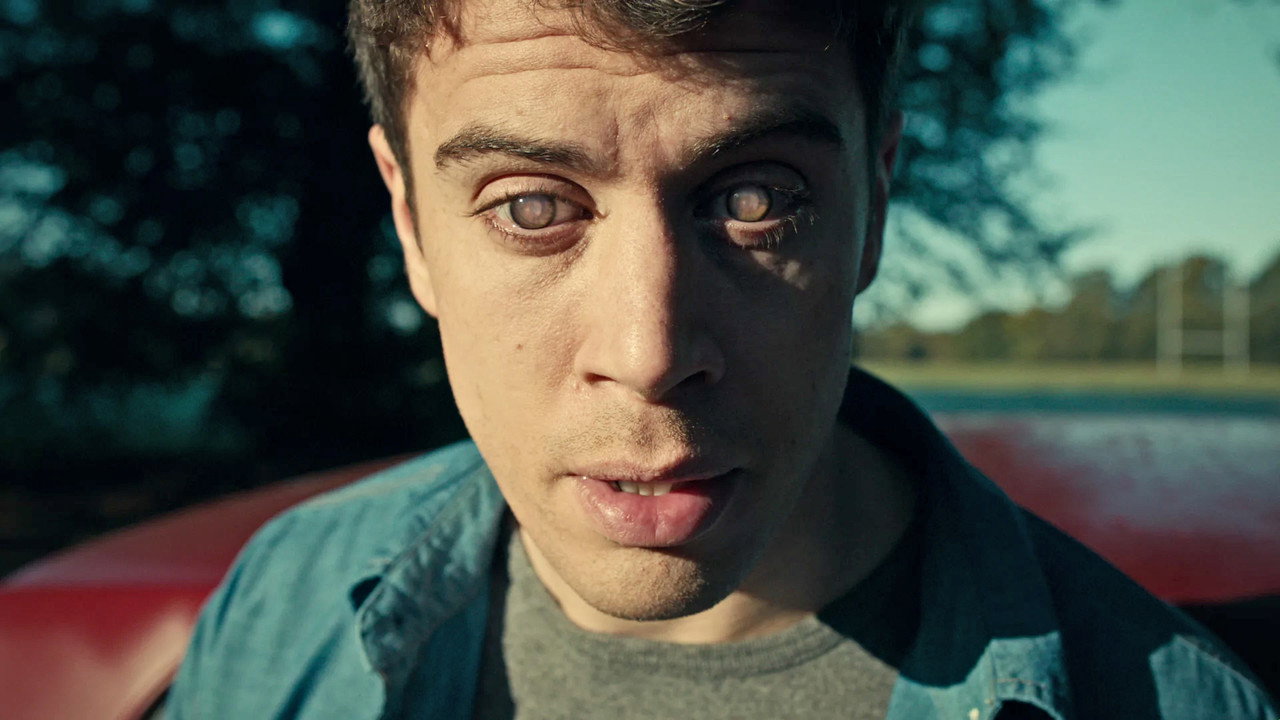
Nearly everyone has a "grain" behind the ear that records everything they see and hear, and a man uses his to interrogate his wife. The airport scene, in which an official makes him replay his last week, is the one people forget, and it's here: US border officials searched the electronic devices of 55,318 international travellers in the 2025 fiscal year. Microsoft's Recall now lets you search snapshots of your own screen. The implant is still far off. The episode's case is that forgetting was a kind of privacy, and that a perfect record makes every argument endless.
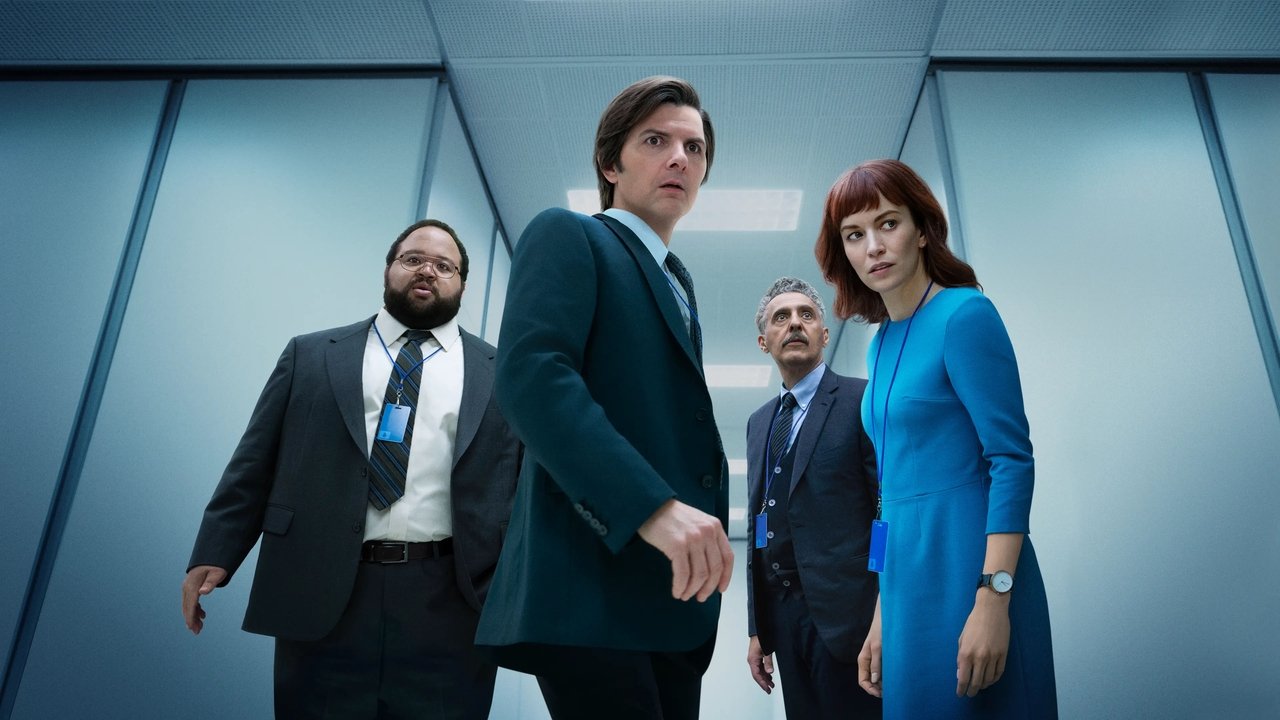
Office workers at Lumon have a chip that splits their memory between work and home, and their bosses know the numbers on their screens better than they do. The chip is far off. The rest has arrived. In 2025 about a third of UK employers were using "bossware" to watch staff activity, a Wisconsin company offered staff microchip implants in 2017, and Colorado added neural data to its privacy law in 2024. It's a masterpiece of design with a mystery that sometimes gets in the way. Its real subject is consent: one self signs the contract and another has to live under it.
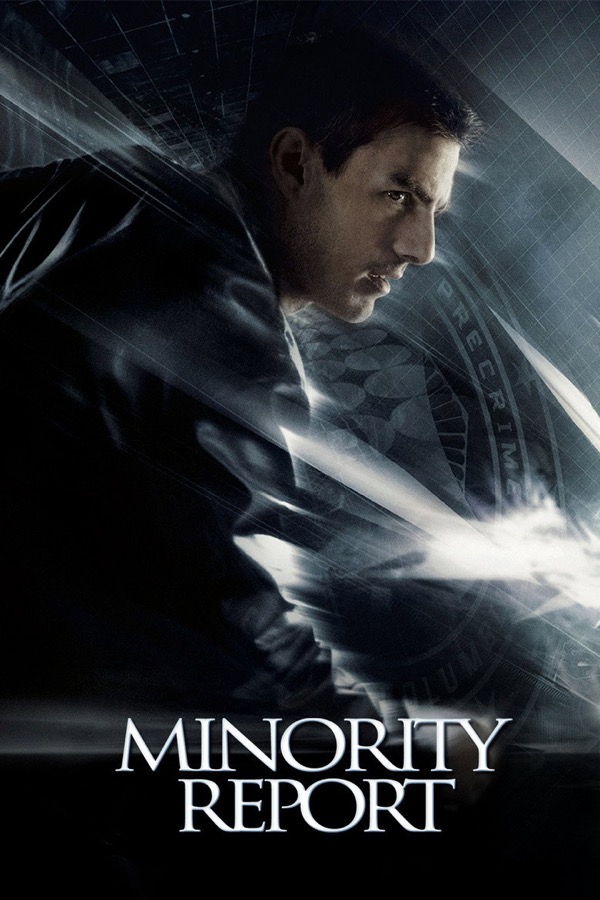
Tom Cruise runs Washington's Precrime unit in 2054, arresting people for murders they haven't committed yet, until the system names him. The billboards that scan your eyes and greet you by name are arriving; face recognition in public spaces is spreading. Precrime itself was tried in a weaker form in the 2010s and it went badly, so our ledger marks that claim as diverged. The film's clearest miss is the phone. It imagined screens coming to us on every wall. Instead we carry them, and hand over our attention for free.
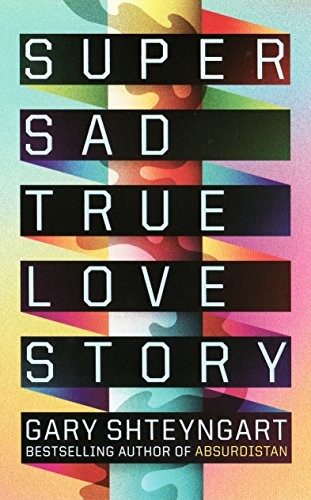
Every American wears an äppärät, a pendant that streams their data, shows strangers their credit rating and ranks them against everyone in the room on sight. Strip off the jewellery and it's a phone. The public credit score never reached American pavements, but ranking strangers by sight did: in 2024 two students wired camera glasses to a face-search engine and pulled up who people were as they walked past. It's the funniest novel here and a lopsided one, saved by its sadness. It saw that the phone would become the self, and the self a score.
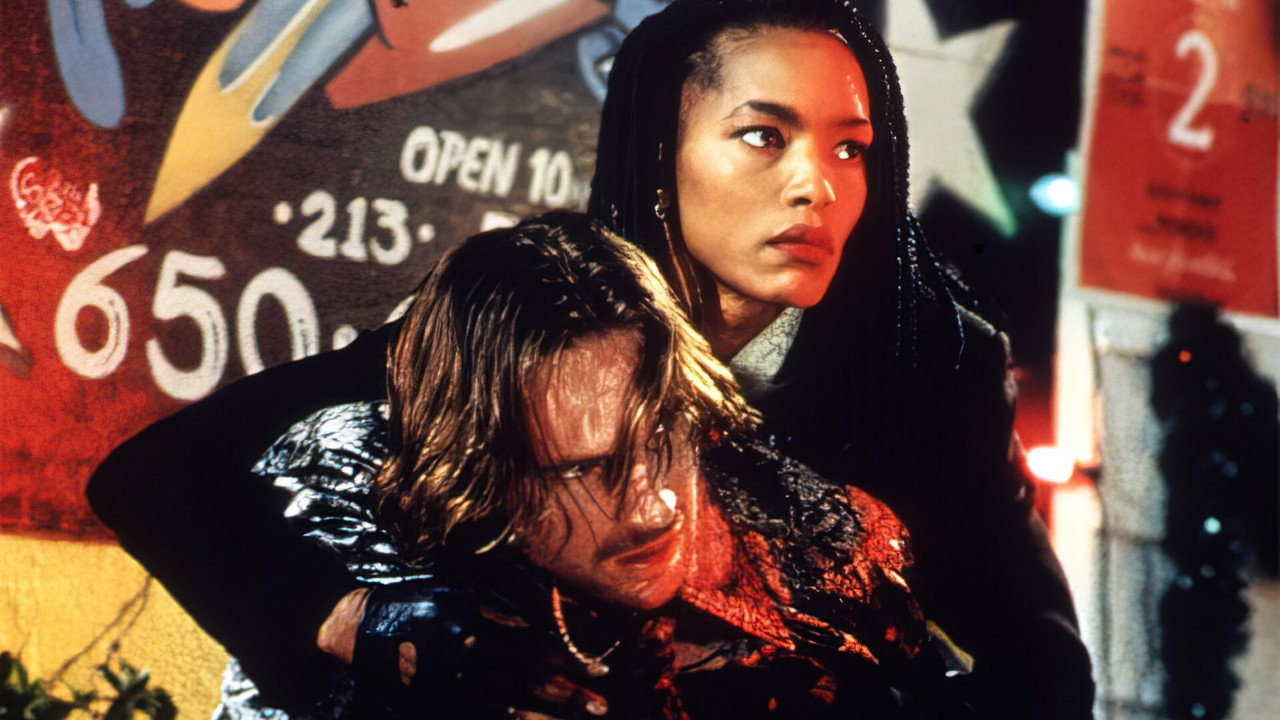
A city addicted to recorded experience, and a fight over who gets to see a recording of two police officers killing a man. The SQUID headset that records full experiences is decades off. The rest arrived as phone footage and body cameras. By 2016 nearly half of US general-purpose police agencies had body-worn cameras. In 2020 a teenager filmed George Floyd's death on her phone, and her video contradicted the first police account. The film imagined the footage being smuggled on a disc to an honest commissioner. It came from a phone and went everywhere at once.

Everyone rates everyone after every interaction, and Lacie Pound's score is falling. The single public rating never arrived, and the episode is often wrongly used as shorthand for China's social credit system, which mostly targets companies. But the score's effects did arrive, through hidden ratings and blacklists. Millions of plane and train ticket purchases were blocked in China in 2018 over bad records, ride-hail apps cut off low-rated riders, and a tenant-screening score turned a woman down for a flat despite 16 years of references. The real scores are private. You don't get to see the number.
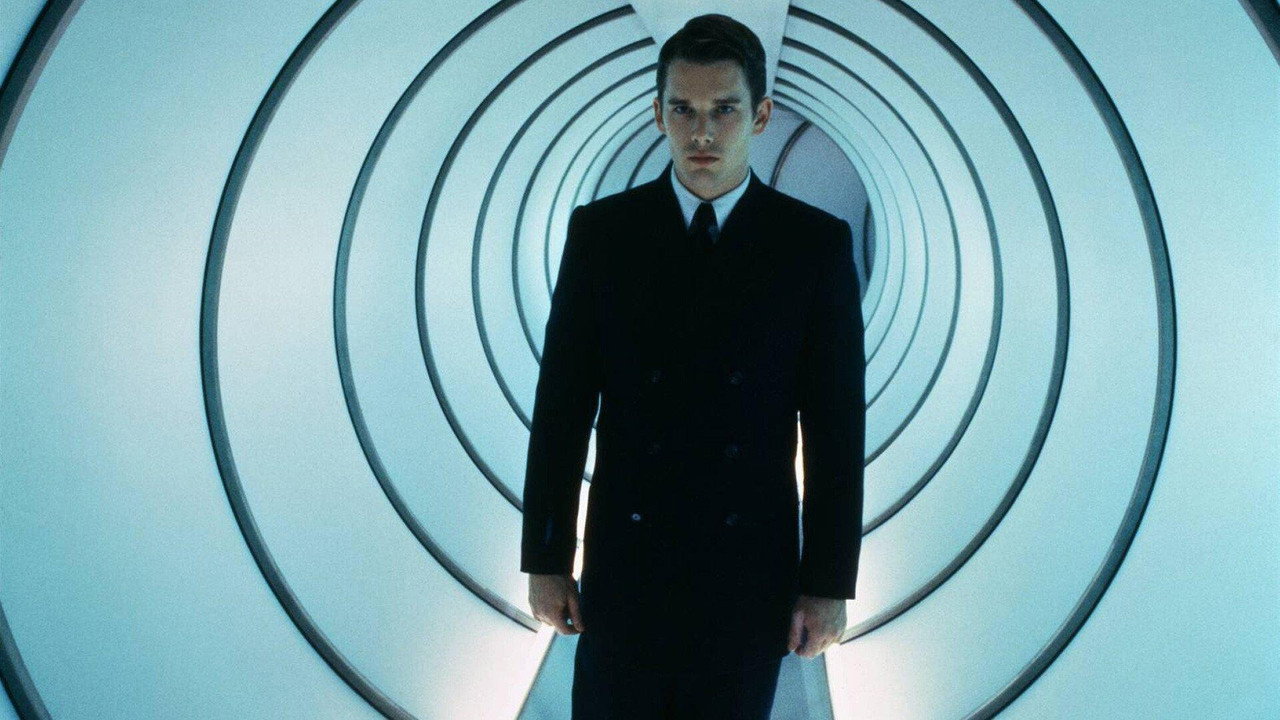
A world where your body informs on you: skin cells, an eyelash or a urine sample at the turnstile can expose who you really are. Vincent scrubs his skin off every morning so the building won't know he's there. Fast DNA identity checks and newborn genome screening have arrived or are on their way. Genetic discrimination in hiring was outlawed in the US in 2008, before it took hold. It's a beautiful film with a thin thriller bolted on. Watch it for its picture of a body that can't stop testifying against you.
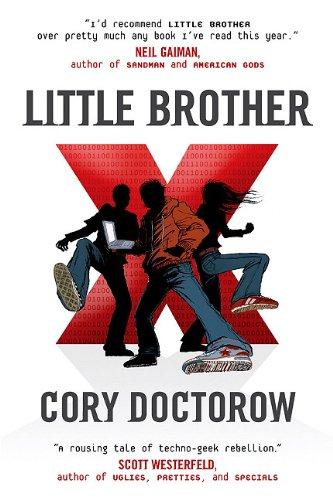
After a terrorist attack on San Francisco, the Department of Homeland Security turns the city into a dragnet, and a seventeen-year-old fights back with gravel in his shoes, cloned toll tags and an encrypted mesh network. As prophecy it's close to a clean sweep. In 2013 the Guardian reported that the NSA was collecting millions of Americans' call records daily, and the government's own watchdog later said it knew of no case where the programme had directly uncovered an unknown terrorist plot. The mesh networks are the weakest bet. It's rough, lecturing and fast, and still the best how-to here.

Mae Holland joins the most powerful internet company in the world, and the company's cameras get into her parents' house through the health plan. Eggers predicted searchable networks of cheap private cameras, genealogy databases used to track people down and a single real-name account for everything, and all of them have arrived or are arriving. He got the motive wrong. The platforms never asked us to go transparent; they asked us to go engaged and kept their own workings secret. As a novel it's a smart essay wearing a novel's clothes, and it's the weakest book on this list.
What's the best sci-fi about surveillance?
The Truman Show, which we scored 8.8, is the best of the works we've reviewed: funny, sad and nearly perfect as prophecy. For a novel, Super Sad True Love Story is the funniest and Little Brother the most practical. For television, "The Entire History of You" is the sharpest single hour about what a perfect record does to people.
Did Minority Report's Precrime come true?
Not in the film's form. Nobody is arrested for a crime a system says they will commit, so our ledger marks that claim as diverged. A weaker version, police computer systems that claimed to see crime coming, was tried in the 2010s and went badly. The film's interfaces and driverless cars did much better than its policing.
Is anything like Nosedive's rating system real?
The single public score isn't. China has no central social credit score for individuals. But nearly everything Lacie's score does is done by separate, mostly hidden systems: blacklists that block plane and train tickets, ride-hail apps that drop low-rated riders, and tenant-screening scores that decide who gets a flat. The difference is that you usually can't see your number.
Which surveillance predictions have come true?
Many. On our ledgers, bulk collection of phone records, toll-tag tracking, police body cameras, searchable private camera networks, workplace monitoring software and border searches of travellers' devices have all arrived. Still far off are the implants: the grain behind the ear, Severance's memory chip and the SQUID. Every claim and source is on the P(n) Board.
On what a prediction is for once it is profitable, see our essay Minority Report Was Wrong About the Crime.